

NOTHING YUCKY ABOUT THE YUCUTAN!
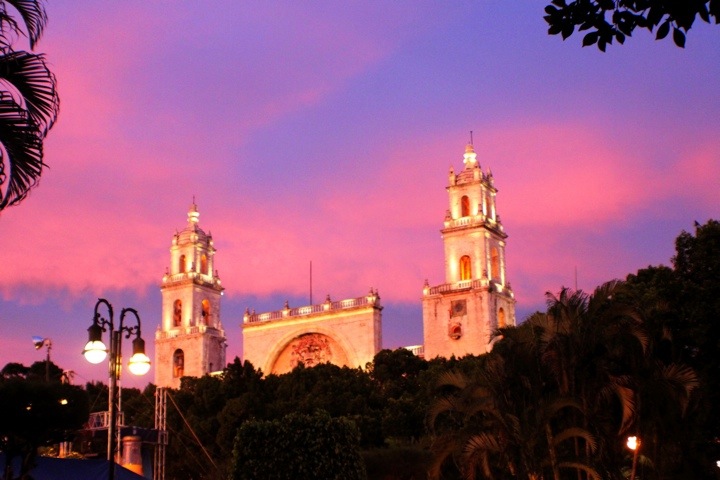
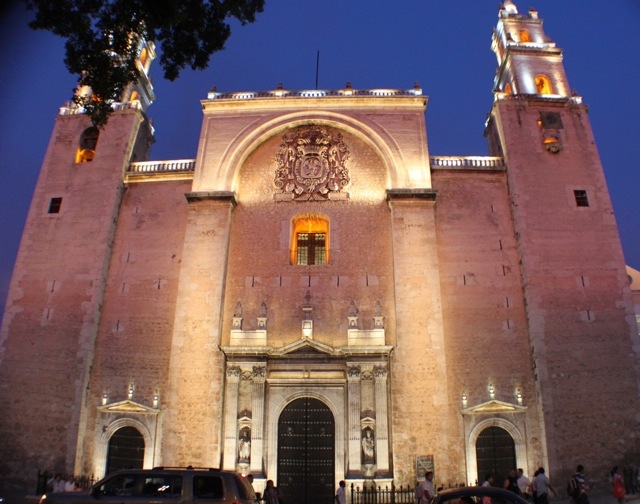
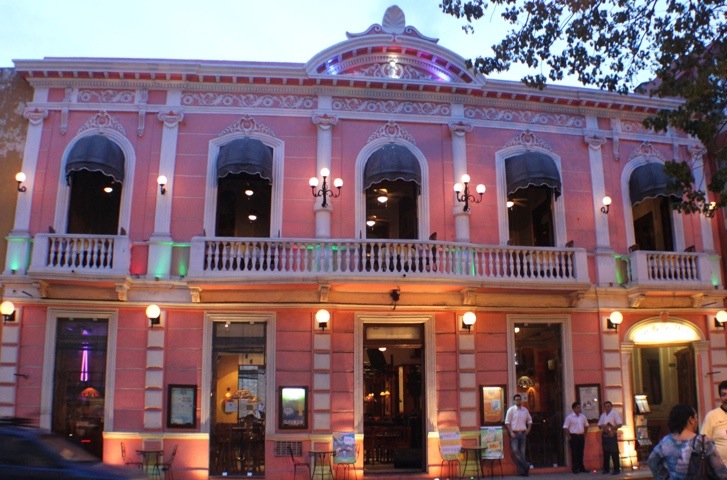
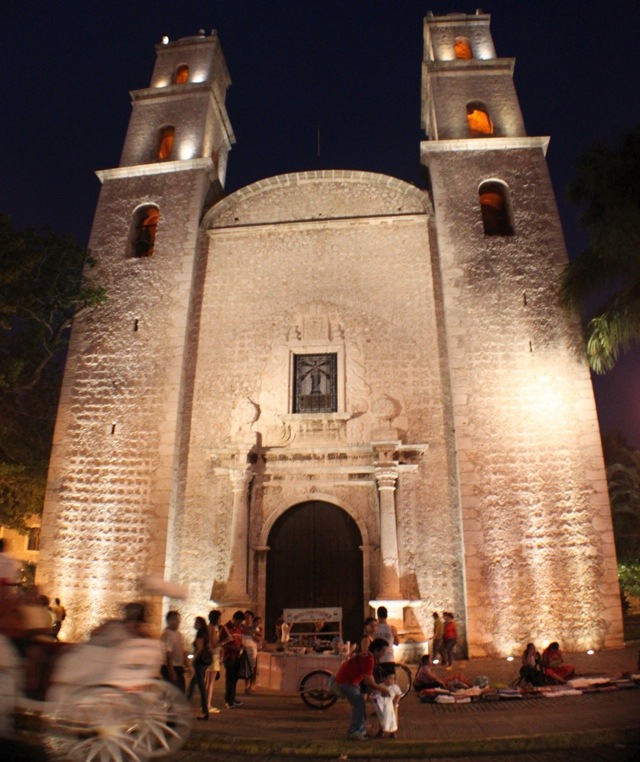
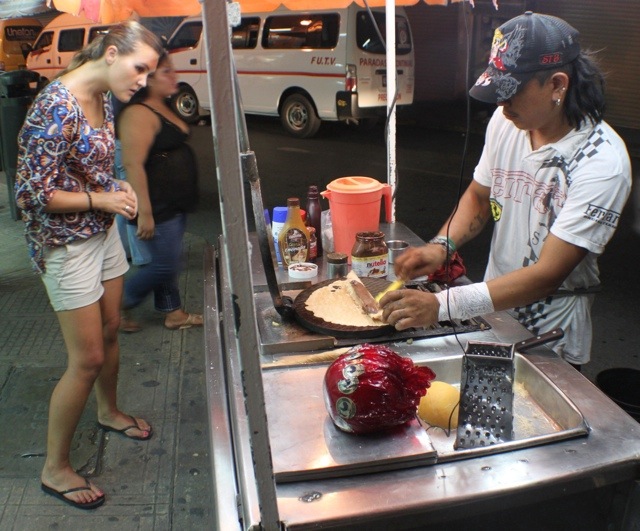
On such a tight schedule in Mexico, we had to be fairly scrupulous with our destinations – limiting our ability to stray far from our departing city, Cancun. We’d developed a concentrated appetite to get into the thick of the real Mexico and after a good dose of research (and tips from pals), we found ourselves on a bus bound for Merida, the capital city of the Yucutan state, roughly 5 hours inland of Playa Del Carmen. Our visions of a bus contained images of a 200 year old hauler with goats, chickens and toothless guidos crammed on wooden benches. Fortunately, our expectations were far from justified as we snuggled on a luxurious coach with fully reclining seats, air conditioning and LCD television screens showcasing American blockbusters with atrocious Spanish dubbing. On our approach to Merida, we knew we’d found the authenticity we were hungry for as we passed through cobblestone streets lined with Spanish colonial style buildings, hole in the wall taquerias (traditional outdoor ‘taco cafes’ with plastic tables and chairs) and frantic street markets. We checked into a hostel which had the best location in the whole of the city, directly across the main square which is the heartbeat of Merida. No sooner had we lugged our 50 kegs of luggage up the spiral staircase, we had raced back outside into the historical streets to explore s’more. This time we experienced some traditional Yucutanian street side delectables – minus the western influences – and blew our little minds and taste buds away. Ads’s fave were the Tamales which are giant gnocchi-type parcels made from corn starch dough filled with tender pork (or other desired meats) with local herbs, spices and vegetables in the centre, all bundled up and steamed in a banana leaf. Kez’s pick were the Marquesitas that are a coconutty waffle filled with nutella-ish paste and melted cheese. Sounds like a weird combo, but a downright party for the palette!
We were surprised to learn that Merida is the producer of 90% of the world’s sisal hammocks (made from cactus) as well as the super suave panama hats… Not made in Panama as most are led to believe. The fascinating aspect was that the Panama hat is made from the Hipi plant that only grows in Merida and is then woven 17 metres underground in caves due to the high humidity levels, maintaining a moist straw to work with until completion (which incidentally is 2 months). Also intriguing is that the hats are actually started by children due to their tiny hands being more capable of a smaller, tight weave for the crown of the hat, which is then passed onto the adults for larger and faster weaving.
NOTABLE NOTES:
EAT: our favourites were our street feasts with virtually every meal being from footpath vendors, without getting sick. Dinner for 2 (street food) comes in at around $5AUD give or take. Nutella and Cheese Marquesitas for $1.50AUD will satisfy any lingering pangs.
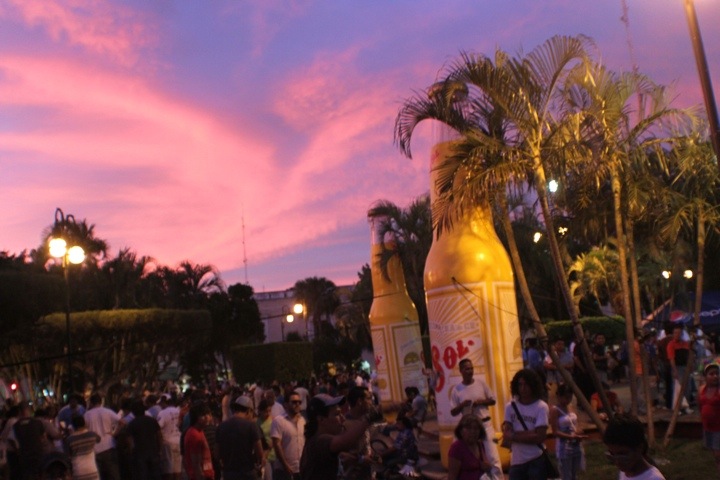
DRINK: Estella is a local beer that will set you back $2AUD for a a chubby 1.5litre longneck. Refreshing and sweetish.
SLEEP: Hostel Zocalo Bed and Breakfast is located on the main plaza square and has a fab location. Double room with share bathroom and FANTASTIC cooked breakky costs around $28AUD/night. Great culture and people make up for the extremely basic facilities.
TIPS ‘N HINTS: In summer, be prepared for very hot conditions, no coastal breezes here! The best way to Merida is on the ADO buses from Cancun/Playa Del Carmen/ Tulum for less than $30pp. If you go directly from Tulum, you can go via Chichen Itza – historical Mayan ruins, declared one of the wonders of the world.
 theflightclub